If you've spent any time researching adult ADHD, you know the drill: a hundred opinions, a hundred systems, and the quiet truth that when your ADHD brain isn't interested, none of them are happening.
I want to offer something different — not another system, but a shift in how you think about your attention itself.
What the seasons taught me about my focus
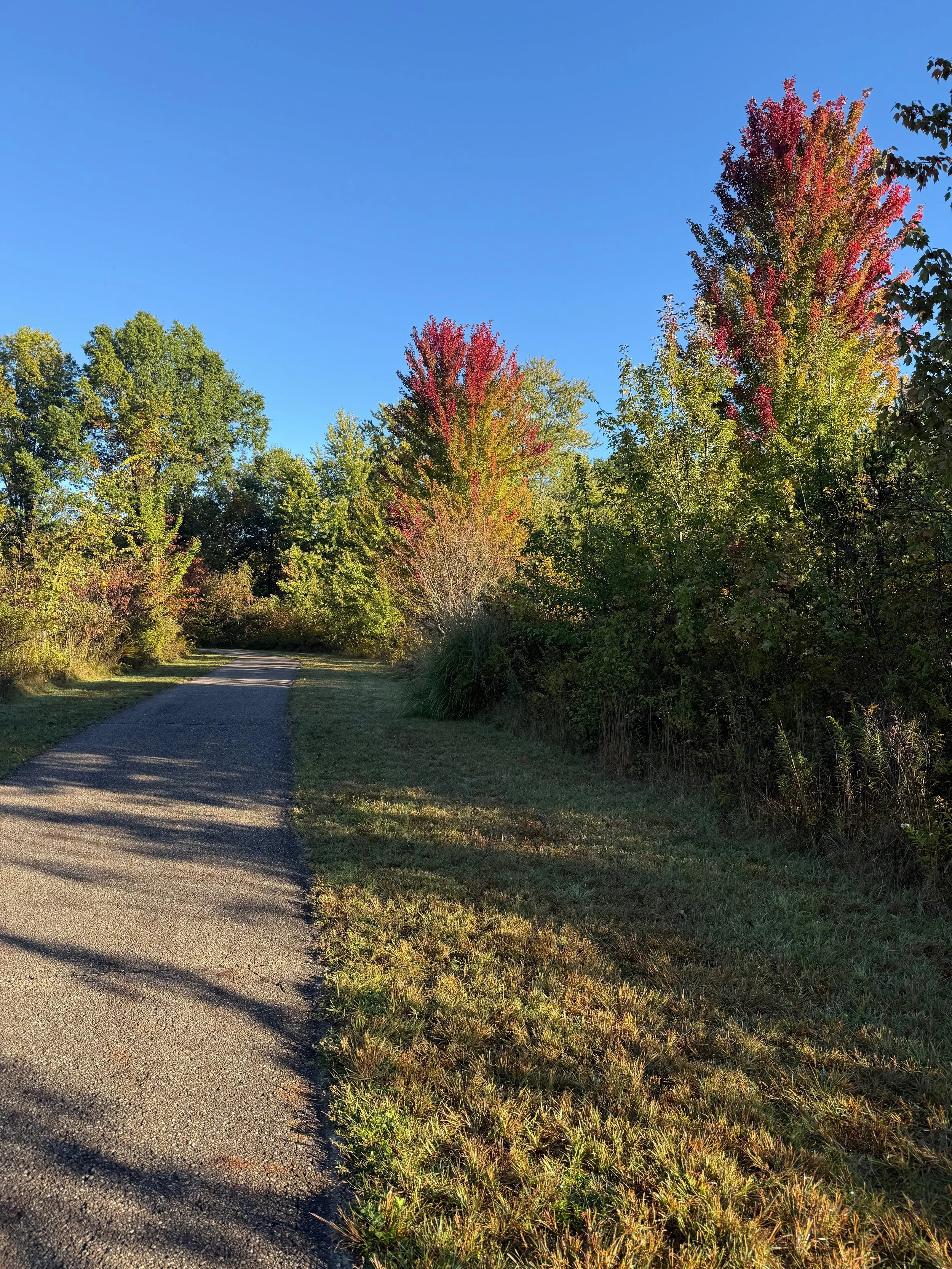
Just like the natural world, my attention moves through seasons. Sometimes it's primed and ready — summer, full sun. Other times it goes dormant, like winter, and no amount of "I should" will force it.
Instead of fighting myself, I started following my own natural rhythms. That includes seasonal energy changes, circadian rhythms, and even how I take in information — some weeks I'm a voracious reader and researcher; other weeks, I just CAN'T.
The fallow field
From the outside, the spaces between projects might look unproductive. I've learned they're necessary. Something is happening under the surface: my subconscious is weaving together motivation, unrelated pieces of information, and readiness to act.
When I trust my system is doing what it needs to do, sure enough — a restless energy shows up, and suddenly I'm motivated to do the very thing I'd been avoiding. Then it's GO time, and more often than not, I find flow in what used to feel impossible.
Here’s an example of what I mean. For years after my divorce, my finances were in a shambles. I knew I needed to face them — but I hadn't been educated in financial literacy, so I avoided it. Periodically I'd dive in, feel overwhelmed, and then I would freeze back into avoidance. Then this summer, something shifted. I found an innate interest in tackling the beast. The right teacher resonated, and this past month I've been reading, listening, and — the real change — taking concrete action. What I'd called disinterest was fear wearing a disguise. The season had changed, not me.
This didn't come from a book
This is the end result of a lot of trial and error. My goal for counseling adults with ADHD is to help them find what works for them. To support them through their own trial and error, offer suggestions and celebrate successes. And it started with rejecting some paradigms I'd absorbed without noticing — which is exactly what the next post in this series is about.
