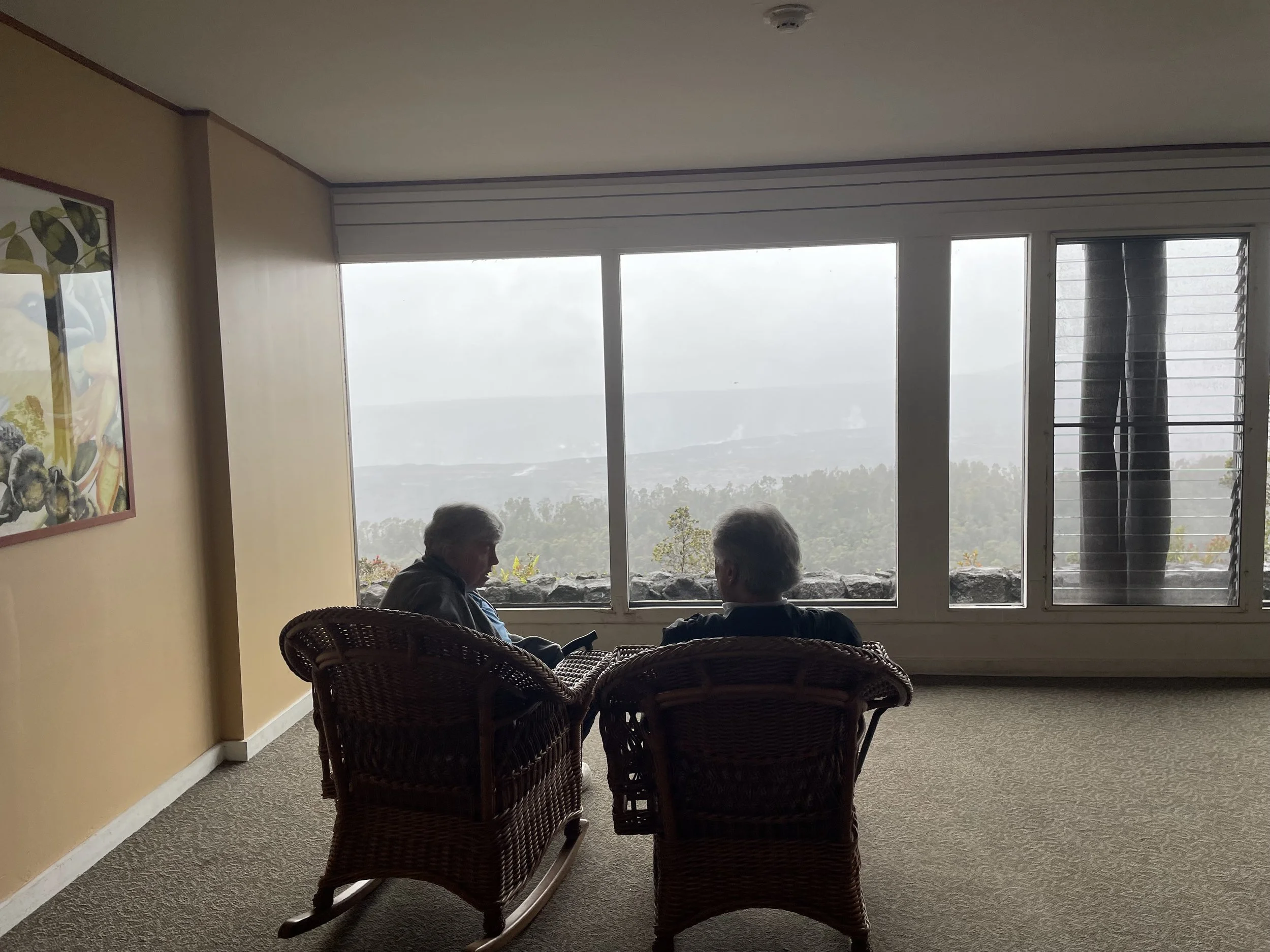
Most of us don’t consider that some day our parents will age. That aging may or may not come with increased needs for support. Sometimes we catch a glimpse when a friend or co-worker shares that their mother recently got moved to rehab and they are looking for in-home care or a more permanent solution to her needs.
Memento mori! (Remember we all die)
For most of us, we don’t want to consider that someday we will all die.There are those who have discovered that embracing the eventuality of our own death becomes a mantra to make the most of today. Avoidance of the idea doesn’t make it magically not happen.
Sooner or later we likely will face uncomfortable conversations, difficult decisions, an unwanted education and the stress of doing what is best for our loved ones while keeping a semblance of our own life and sanity.
Respond Don’t React
Learning how to respond to what life gives us, is a marker of psychological health and wellbeing. Being reactive, having no choice and being under pressure of a crisis is a recipe for a stress spiral. This is guaranteed.
Facing into the unknown, facing into the scary, difficult or uncomfortable; BEFORE it becomes a crisis is ideal when considering our own end of life decisions as well as guiding our parents or other relatives to be clear and communicate their wishes before it is necessary.
Having recently done this in my own family I have some pointers I’d like to share that I learned along the way.
Pointers to consider:
Pick a time when there is no crisis. (this is the preparation stage). Ask yourself or your loved ones, what is it they wish to happen as they age? Or if they have an accident or health crisis that makes it impossible to make their wishes known themselves.
2.Frame this in care and preserve their (your) autonomy. If you communicate your wishes and you are clear about them, there is a much greater chance of having those wishes pursued, than if people have to guess or read your mind.3. Educate yourself and your loved ones on options before making decisions. It's hard to make decisions if you don’t know what is possible. Often in these types of conversations it can be refreshing to know there are more options than you actually knew about already.
4. Recruit professionals. This is when an elder law attorney, estate attorney, doctors, nurses therapists, senior care coordinators can be allies. It is often helpful to have a third person moderate and interpret what is being said. When emotions run high, misunderstandings abound. Sometimes the process of creating a will, having discussions around power of attorney, both medical and financial can be empowering rather than threatening. This is being documented by someone outside the family so those wishes are preserved. Having a form and a process to follow can make this much less intrusive and threatening for the person assenting to these documents.
5. Periodically check in and revisit decisions. Time passes. People have new lived experiences and might change their mind about their wishes from 8 years earlier.
6. Find a way to work as a team. Life changes can be scary. Most of us want to have someone beside us when we are scared or facing unknowns. Prepare for the healthcare and closing of an estate decisions well before any of those decisions need to be made. (And no family does not have to be wealthy to have an estate)
7. Externalize the decision making and information gathering process. Find a system, guide, book, online community or product that can help you not feel like the “bad guy” making yourself or your loved one face into the inevitable. The idea of closing out someone else's life, home, banking, taxes, bills, utilities. Notifying friends and family as they decline or ultimately die is a daunting task for the most assertive of us. Having a form, structure and place to organize everything you might need can be a huge stress reducer.
Not a Commercial…
A product that I found helpful in this process is called the NOKBox (Next of kin box) This particular product is a filing system. What makes it unique is that the creators have written a page per file. One one side it recommends information, passwords, documents etc that you will need to settle an estate. It provides a check list and a place to write notes to your Next Of Kin, or executor. On the other side of the same paper it instructs your NOK with what to do with the information you have gathered in this system.
For the easily anxious or overwhelmed, ADHD or avoidant of discomfort, the organization of this system allows you to do one thing at a time, or work through sections you feel ready to handle.
This is an Act of LOVE
From the perspective of your family who you leave behind, doing this hard work ahead of a crisis reduces all kinds of stress and second guessing when decisions need to be made. Next of Kin are not having to rifle through your desk drawers and shoe boxes to find your tax return from two years ago. This system helps them take care of your business on your behalf when you aren’t here to do it or you can no longer take care of yourself.
If we are honest the stress of the end of our life and the lives of our loved ones can run on a low hum in the back of our mind for our entire life. Facing the fear of our own mortality can significantly reduce the intensity of that stress. We have choice and agency but only if we are courageous enough to accept it, when it is ours to cultivate.
